Powered by
OVH
Librahost
Cloudflare
DigitalOcean
IONOS
GitHub
Stripe
Discord
OVH
Librahost
Cloudflare
DigitalOcean
IONOS
GitHub
Stripe
Discord
Powered by
Articles and updates from the QuickFrag team.
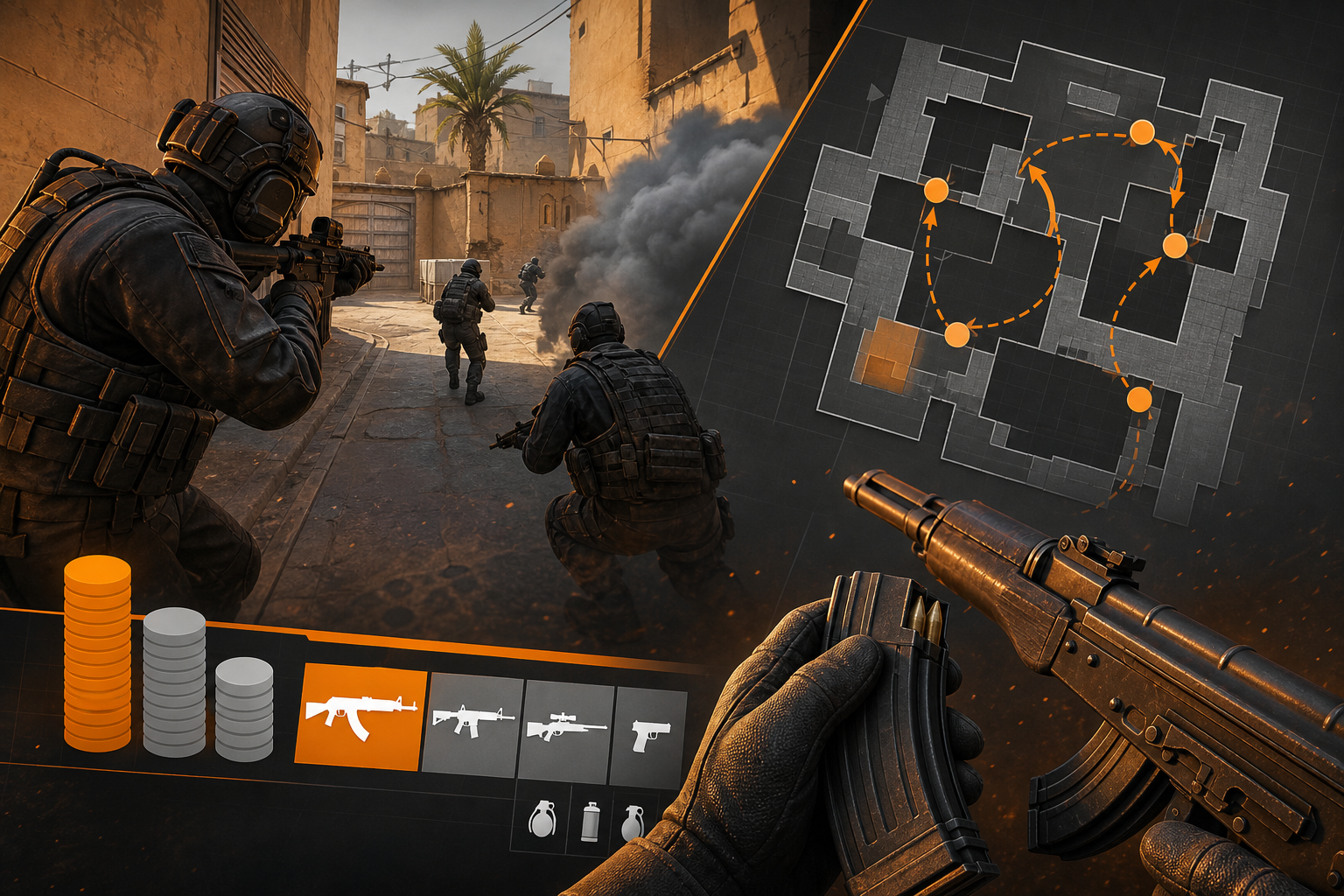
Counter-Strike 2’s March 18, 2026 reload update changes more than a small mechanical detail. By discarding leftover bullets when a magazine is reloaded, Valve turned reload timing into a commitment with real round impact, especially in the kinds of team situations that competitive play depends on: trading, spacing, and rotation timing. For teams, analysts, and […]
Read more →
Building a five-stack quickly is no longer a matter of chasing DMs, waiting on timezone overlap, and hoping everyone shows up. In a competitive environment where practice windows are short and latency matters, the real advantage is operational: can you assemble five compatible players, verify trust signals, and launch a scrim without wasting momentum? That […]
Read more →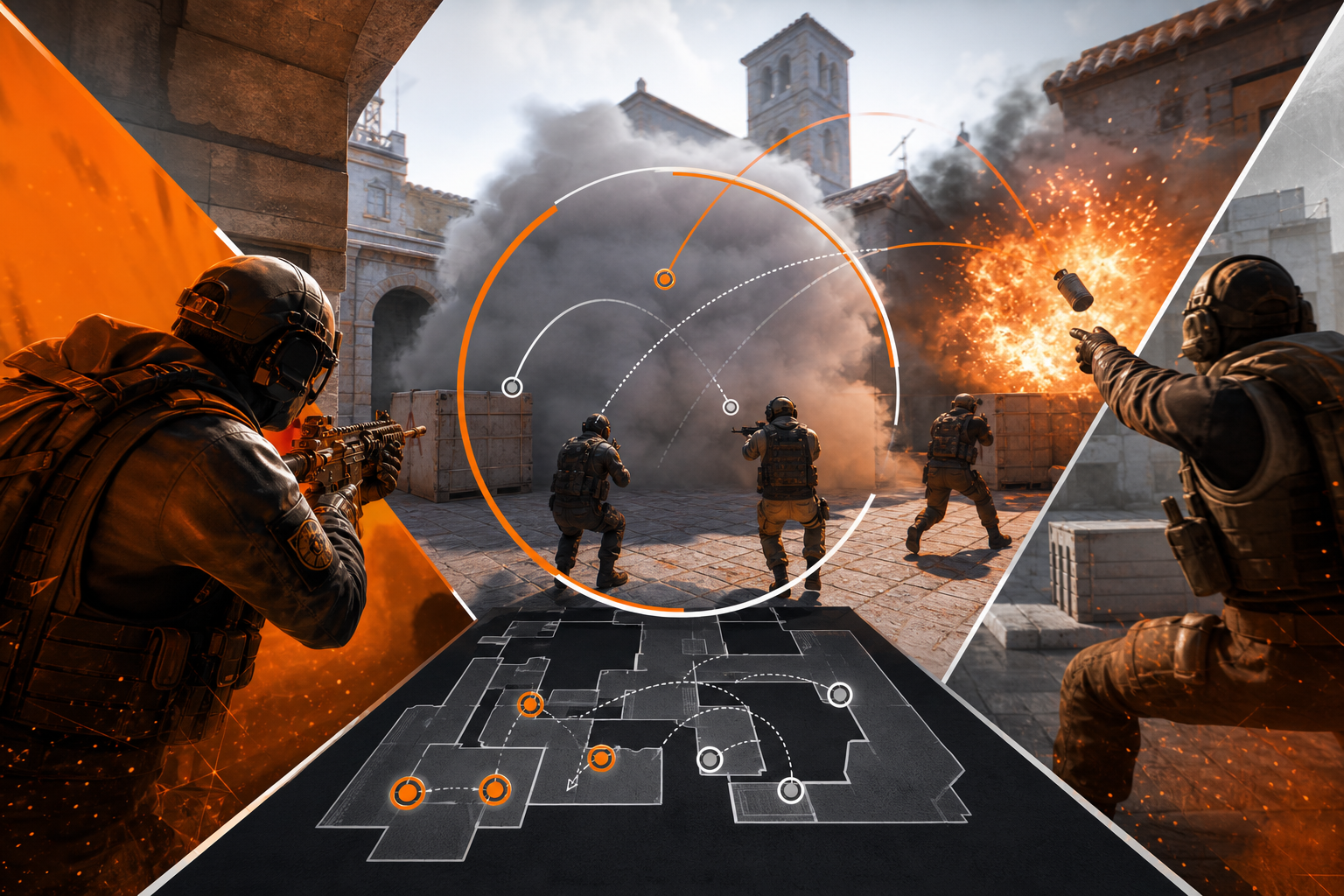
In CS2, smoke is no longer just a flat layer of vision denial. It is a volumetric system that interacts consistently across players, explosions, and fire, which means timing, spacing, and team coordination now matter more than ever. For competitive teams, the tactical value of smoke is tied directly to when it blooms, how it […]
Read more →
Valve’s late September 2026 VRS update changed more than invite spreadsheets. It also exposed how unstable the competitive ecosystem has become for teams trying to build dependable five-stacks around the current ranking environment. When tournament access depends on the latest Valve Regional Standings snapshot, player availability, team formation, and even practice partner selection start to […]
Read more →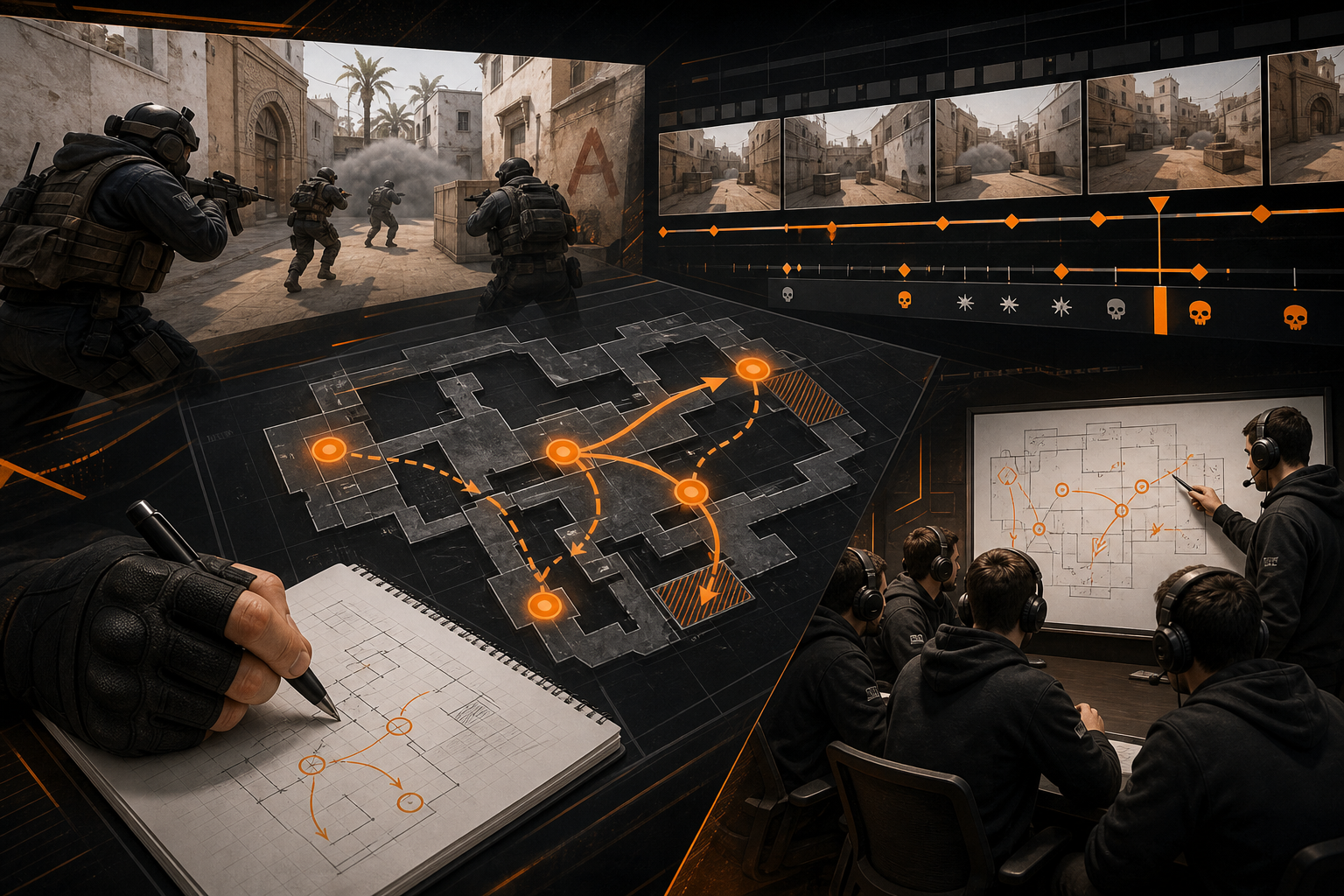
Competitive teams often talk about “communication issues” or “bad reads” when a matchweek or sprint goes sideways, but that framing is usually too vague to be useful. In practice, the more productive move is to reconstruct the sequence of events, review the demo as a conversation, and turn the workshop into a repeatable operating procedure. […]
Read more →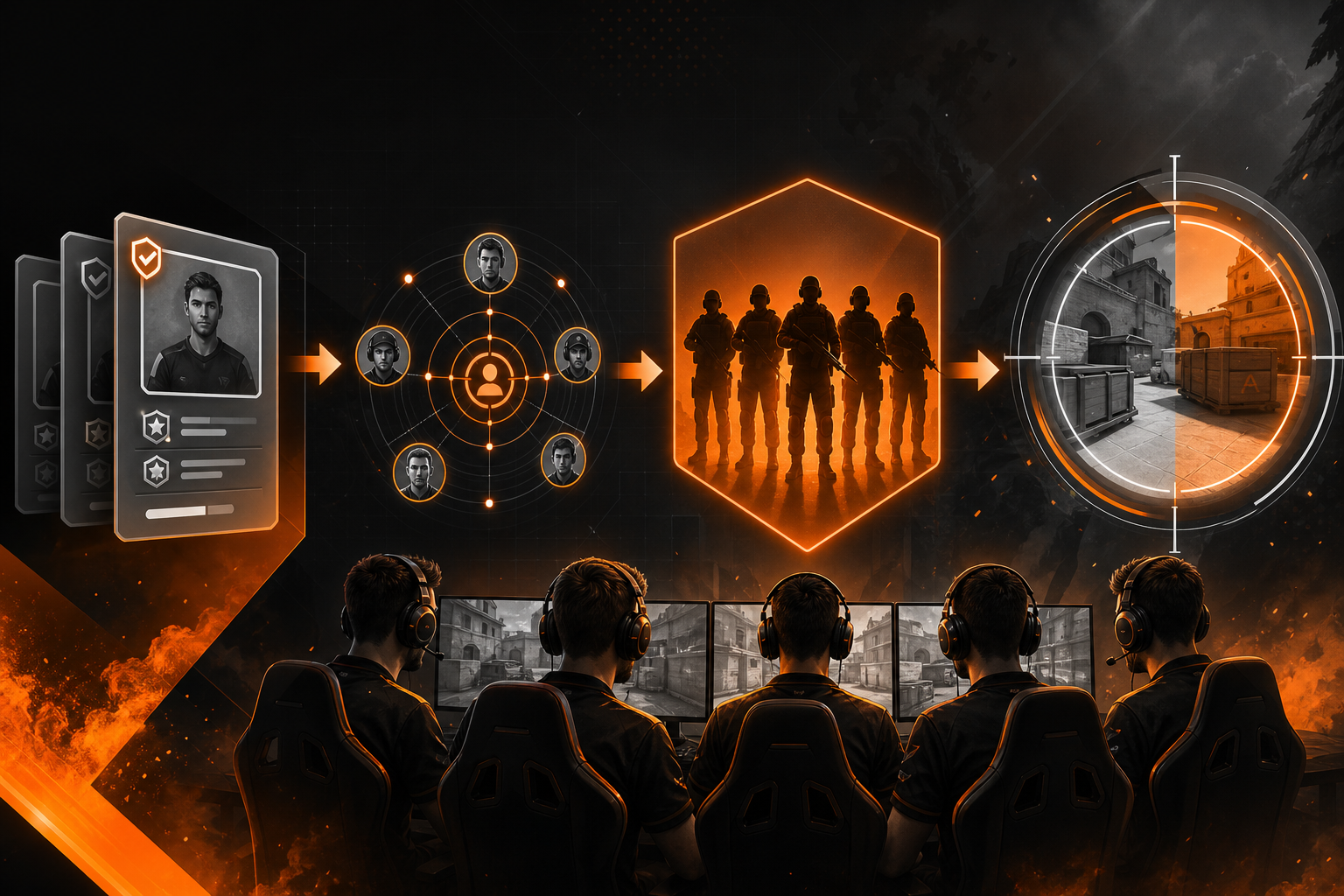
Building a reliable five-stack in CS2 is mostly a systems problem disguised as a social one. The hard part is rarely finding five players; it is coordinating identities, schedules, server access, match settings, and post-game review without turning every scrim night into admin work. QuickFrag is positioned around that exact workflow. By combining verified Steam-based […]
Read more →
QuickFrag’s team workflow is built around a simple operational idea: stop treating roster management, scrim setup, and player evaluation as separate systems. For CS2 teams, that matters because the highest-friction moments are usually the ones between “we need five” and “we are playing a real match.” QuickFrag positions its workspace as a recruitment hub that […]
Read more →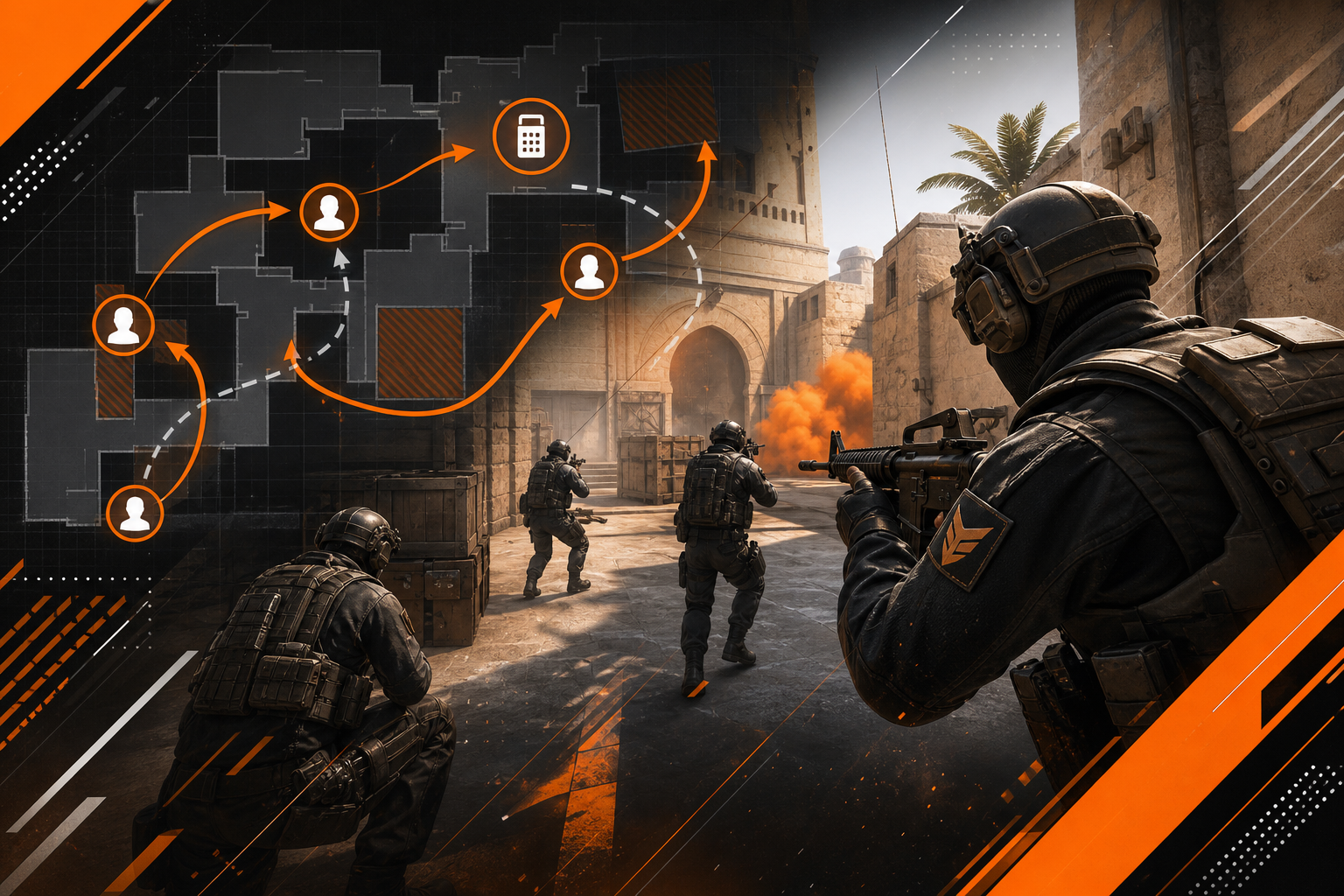
In the 2026 pro meta, gaining an advantage is no longer achieved solely through better aim or cleaner execution timing. It is also earned through the quality of rotations, the readability of utility signals, and a team’s ability to turn information into useful movement. For coaching staffs, analysts, and organizers, this has a direct impact: […]
Read more →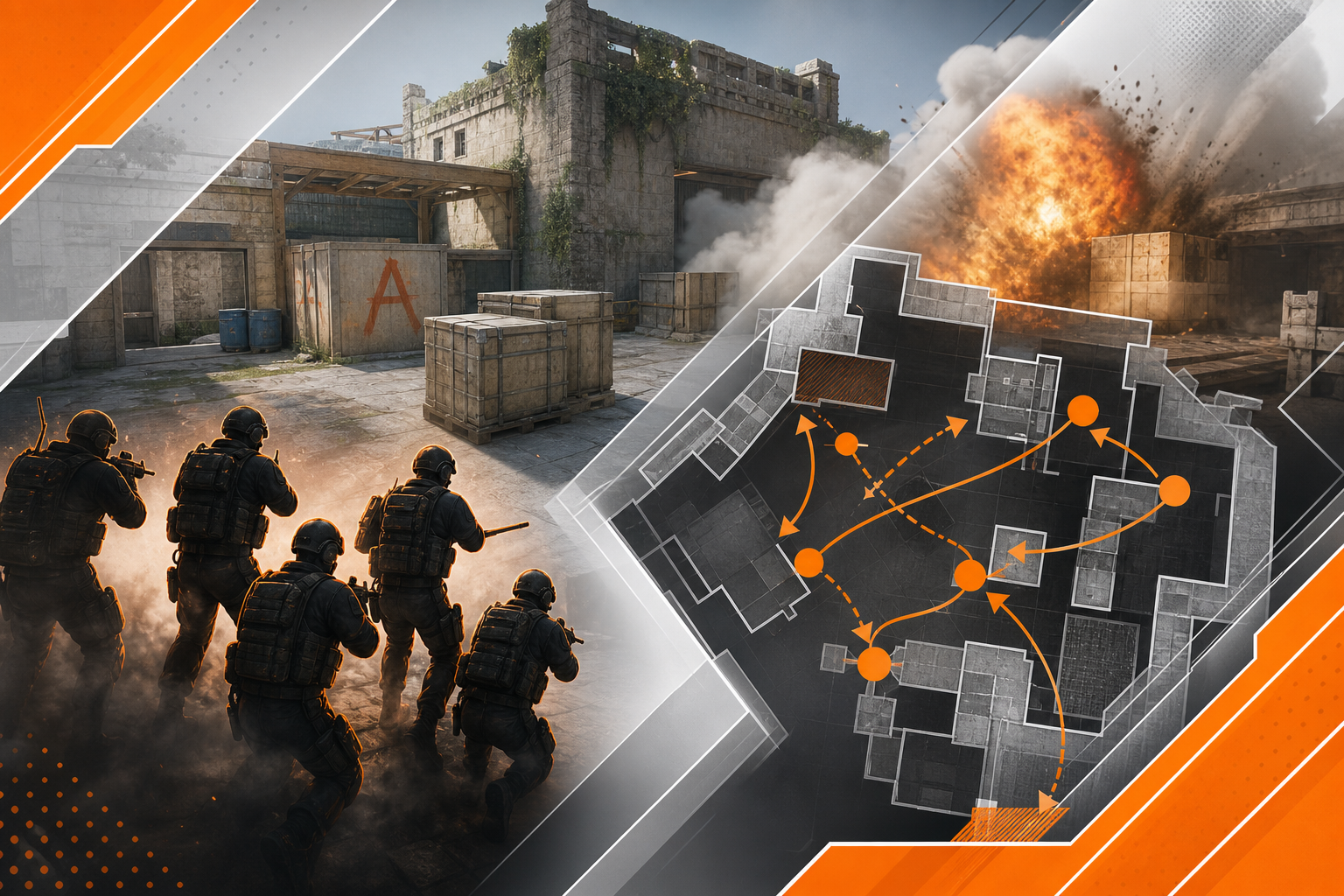
The return of Cache to the Active Duty map pool immediately reshuffled the competitive landscape. When Valve confirmed, in the July 8, 2026 update, that Cache would join the Active Duty group in place of Overpass, the way teams read rotations, timings, and survival zones had to be recalibrated almost overnight. This shift coincides with […]
Read more →19 articles